

 en
en
To honour International Microorganism Day, we are shining a spotlight on Cronobacter sakazakii.
Originally isolated from clinical specimens and powdered milk in the early 1950s, this facultative anaerobe was later formally proposed as a new species and named Enterobacter sakazakii by James J. Farmer III and his associates at Centers for Disease Control and Prevention (CDC) in the 1980s. In the early 2000s, molecular scientists were digging deeper into the taxonomy of Enterobacterales and using comparative DNA-DNA hybridisation and multilocus sequence typing, they found a key genetic difference between E. sakazakii and other Enterobacter species [1]. Their findings prompted a switch in the nomenclature and Cronobacter was established as a new genus; in 2007, E. sakazakii was reclassified to C. sakazakii [2]. In the decades post-isolation, C. sakazakii exposed itself as a key factor in neonatal medicine, thus drawing vast amounts of clinical and scientific attention. Interestingly, the link to neonatal disease is the reasoning behind its name, with Carol Iversen proposing the genus name Cronobacter as a derivative from Cronos, the Titan of Greek mythology who is known for devouring his children to prevent them overthrowing him [1].
C. sakazakii is a Gram-negative motile pathogen that mostly targets neonates and preterm babies but can also infect immunocompromised adults. It can be found in natural, industrial and healthcare settings but transmission is mostly achieved through powdered infant formula (PIF). Improved regulations and manufacturing practices has helped reduce the prevalence of C. sakazakii infections with detection rates in PIF dropping from 12.6% in 2004 to 1-3% in 2017 [3]. Symptoms of C. sakazakii infection include fever, issues with feeding, excessive crying and lethargy, with secondary complications such as sepsis, necrotising enterocolitis and death likely.
Pathogenicity is enabled by several virulence factors. For example, it produces outer membrane protein A (ompA) which mediates adhesion and invasion; this protein also facilitates passage through the blood brain barrier, which explains its link to severe neonatal meningitis. Other proteins that aid apical and basolateral adhesion include Inv, Omp and OmpF. With regards to immune invasion, some C. sakazakii strains have sod genes that encode superoxide dismutases that facilitate survival under acidic conditions and macrophage-induced oxidative stress. It also has multiple virulence determinants and regulatory systems that help survival in the gastrointestinal tract and survive complement-mediated killing, enabling progression from intestinal colonisation to bacteraemia and invasion of the central nervous system [3].
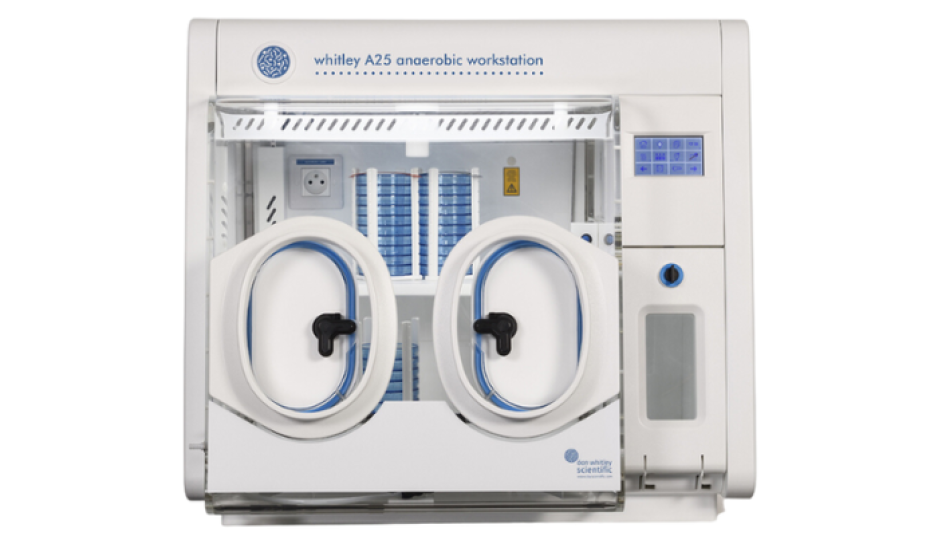
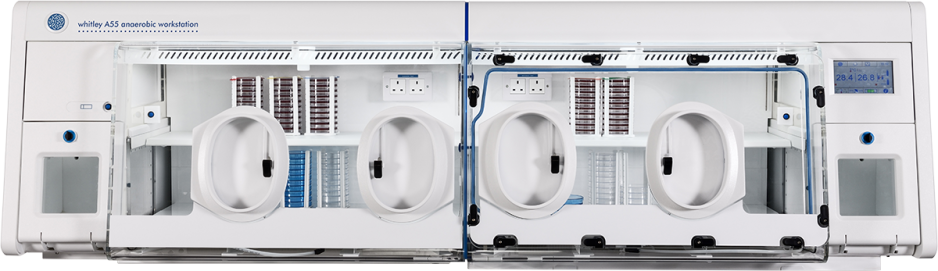
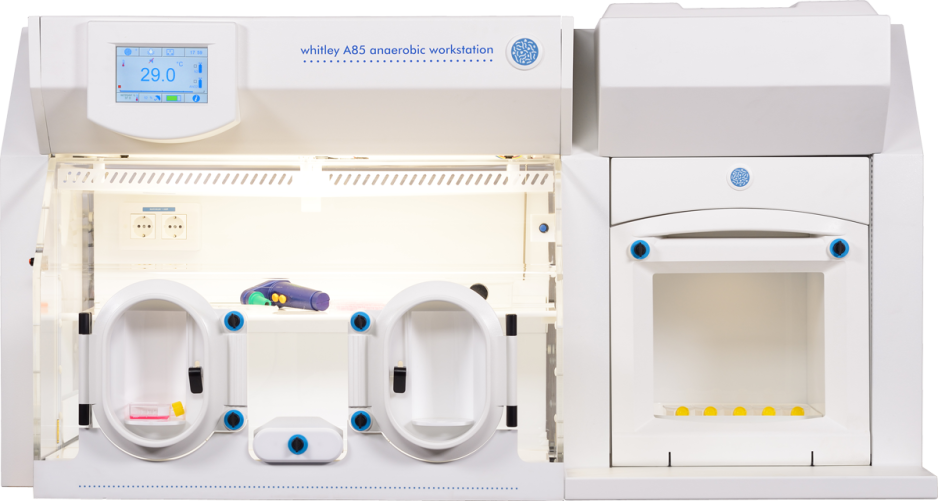
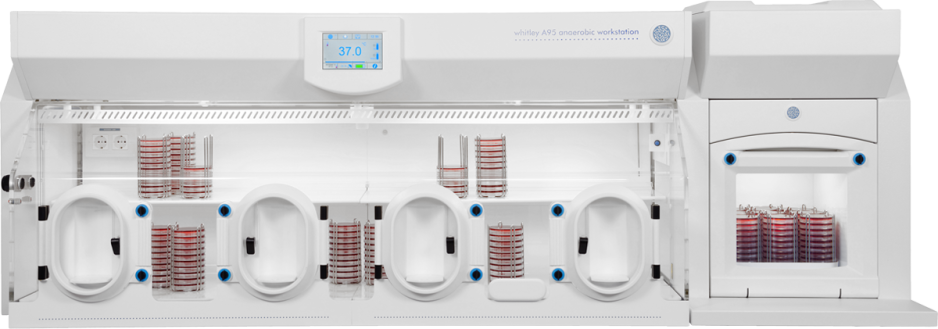
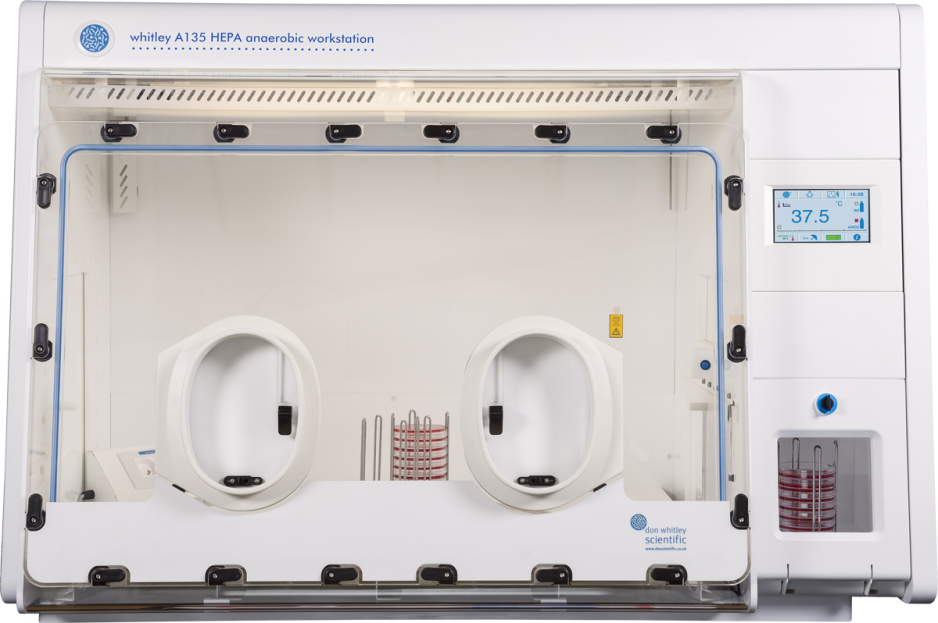
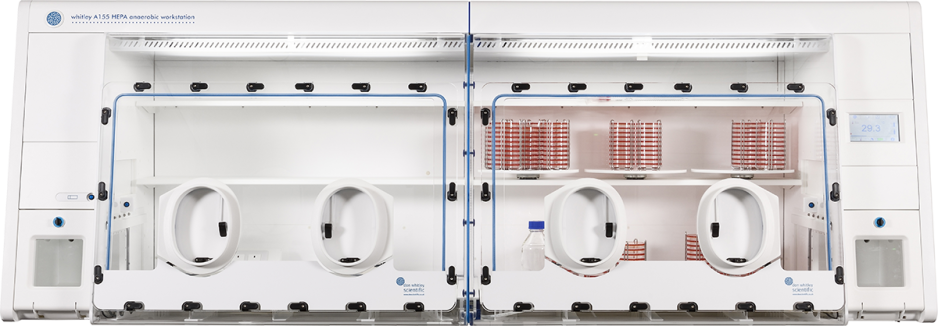
Due to the fatality risk, early antibiotic intervention is paramount. Research into the antibiotic susceptibility of C. sakazakii helps clinicians decide appropriate treatment regimes. For example, antibiotic susceptibility patterns in Oman were determined and they found the highest susceptibility to gentamicin (85.1%), trimethoprim–sulfamethoxazole (82.8%), ciprofloxacin (81.4%) and amikacin (80.1%) [4]. Unfortunately, reported fatalities in infants after intensive antibiotic treatment suggest antibiotic resistance has arisen, so scientists are eager to establish alternative therapies. Recent research by Seo et al. explored the use of phage therapy in treating C. sakazakii infections; they assessed the activity of Chage1 on C. sakazakii and other gut commensals, using a Whitley A25 Workstation to culture the anaerobic species. The phage had no effect on the beneficial bacteria, such as Bifidobacterium and Lactobacillus, but did show antibacterial activity against C. sakazakii strains. They also identified an endolysin (LysCG1) from the Chage1 genome which was fused with a maltose-binding protein and found it had a broader lysis spectrum than Chage1 alone. This novel phage, and its endolysin, could be a promising treatment for antimicrobial resistant C. sakazakii infections and ultimately reduce fatalities. With no virulence factors or antibiotic resistance genes, this phage could be a potential antimicrobial agent for food safety applications [5].
In the rising epidemic of antimicrobial resistance, it’s critical to find alternative successful therapies to treat C. sakazakii infections in infants as well as targeting the source of infection in food and PIF. Novel phages, such as Chage1 alone, or in combination with other molecules, such as endolysins, could target resistant strains to treat infection and subsequently reduce fatalities. Research into this area is key, and it is hoped it will continue to establish an approved alternative that can be used in clinical and food manufacturing settings.
Written by DWS Microbiologist Kirsty McTear
References:
- Ali S, Fitzpatrick F. Of titans and taxonomy: The naming of Cronobacter sakazakii. CMI Communications. 2026 Mar;3(1):105157.
- Iversen C, Mullane N, McCardell B, Tall BD, Lehner A, Fanning S, et al. Cronobacter gen. nov., a new genus to accommodate the biogroups of Enterobacter sakazakii, and proposal of Cronobacter sakazakii gen. nov., comb. nov., Cronobacter malonaticus sp. nov., Cronobacter turicensis sp. nov., Cronobacter muytjensii sp. nov., Cronobacter dublinensis sp. nov., Cronobacter genomospecies 1, and of three subspecies, Cronobacter dublinensis subsp. dublinensis subsp. nov., Cronobacter dublinensis subsp. lausannensis subsp. nov. and Cronobacter dublinensis subsp. lactaridi subsp. nov. INTERNATIONAL JOURNAL OF SYSTEMATIC AND EVOLUTIONARY MICROBIOLOGY. 2008 June 1;58(6):1442–7.
- Zhang C, Liu S, Zhang B, Chen Y, Dong Q, Lan P, et al. Deciphering Cronobacter sakazakii Pathogenesis: From Host Invasion to Future Directions. Microorganisms [Internet]. 2026 Mar [cited 2026 Aug 11];14(3):572. Available from: https://www.mdpi.com/2076-2607/14/3/572
- Mohan Bilikallahalli Sannathimmappa, Nambiar V, Salih M, Salah M, Ali M, Hasan A, et al. Clinical Profile and Antibiotic Susceptibility Patterns of Cronobacter sakazakii in the Northern Region of Oman. Saudi Journal of Medicine and Medical Sciences [Internet]. 2025 Jan 1 [cited 2026 Sept 3];13(1):32–8. Available from: https://journals.lww.com/sjmm/fulltext/2025/01000/clinical_profile_and_antibiotic_susceptibility.5.aspx
- Seo J, Kong M. Evaluation of the Novel Bacteriophage Chage1 and Its Endolysin LysCG1 as Biocontrol Agents against Cronobacter sakazakii in Foods. Journal of Microbiology and Biotechnology. 2026 Mar 26;36.
Frequently Asked Questions:
Why are bacterial infections so dangerous for neonates and infants?
Bacterial infections are especially dangerous for neonates and infants because their immune systems are still in early stages of development, so their ability to elicit an effective response to pathogens is limited. These infections can spread to the blood, causing sepsis, organ damage and potentially death.
How does antimicrobial resistance make bacterial infections harder to treat?
Bacteria become resistant to antimicrobials by acquiring genetic changes that allow them to survive treatment that would usually inhibit growth or kill the bacteria. Bacterial mechanisms that aid antimicrobial resistance include alteration of antimicrobial targets, disruption of efflux pumps and enzymatic degradation.
How does phage therapy work for bacterial infections?
Phages (also known as bacteriophages) are viruses that infect bacteria by adhering to the bacterial cell wall and injecting its genetic material into the bacterial cell. It hijacks the bacterium’s machinery to multiply and in lytic infections, the new phages cause bacterial cell lysis and ultimately kills the bacteria.




 England