

 en
en

The Need for Faster Urine Culture Results in the Fight Against AMR
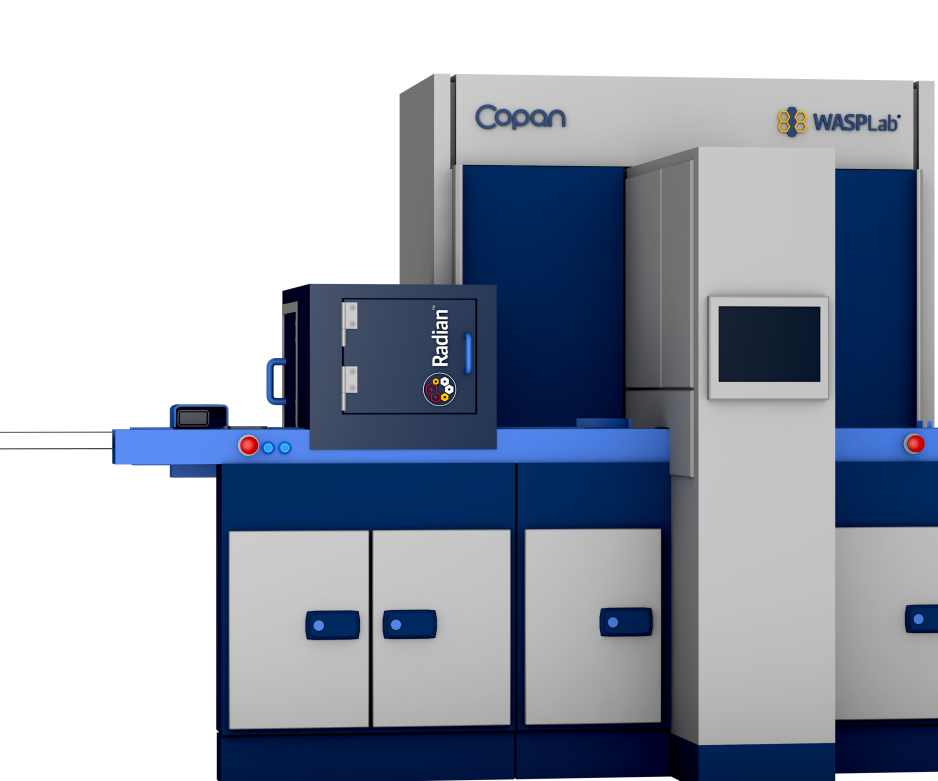
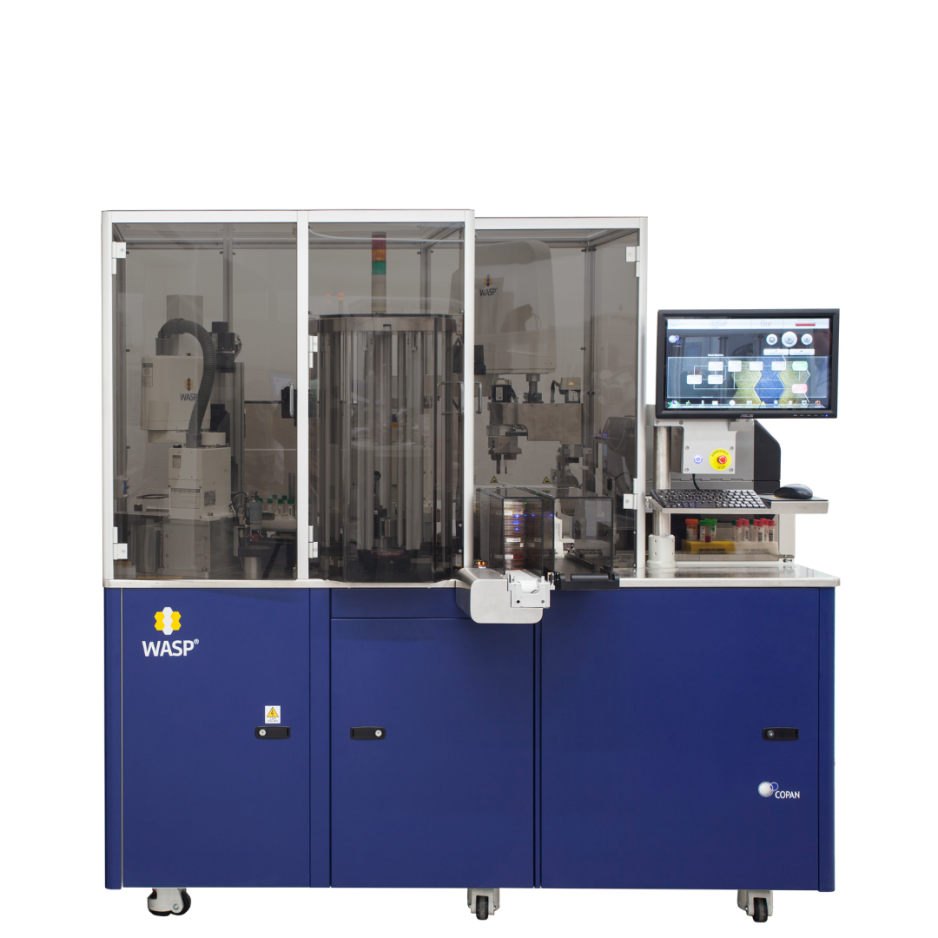
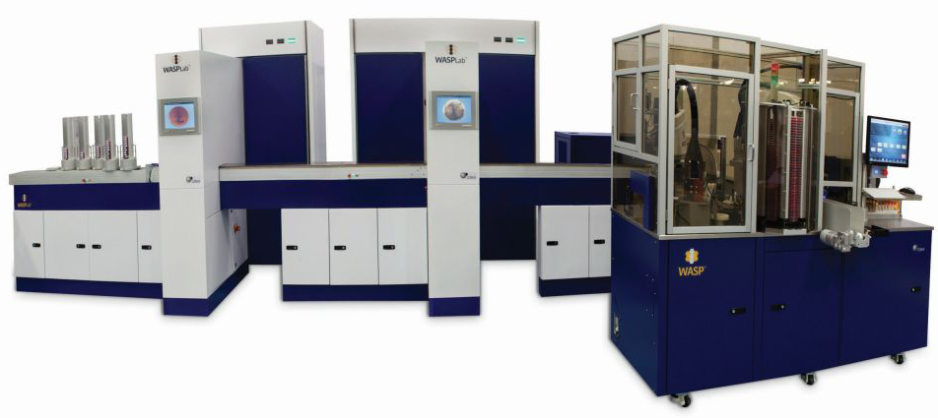
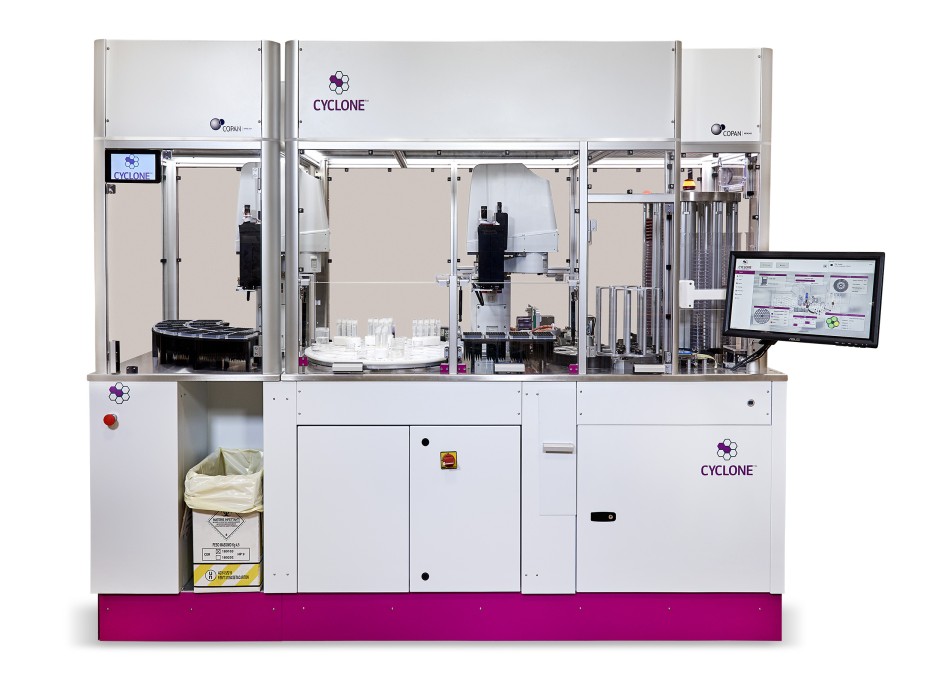
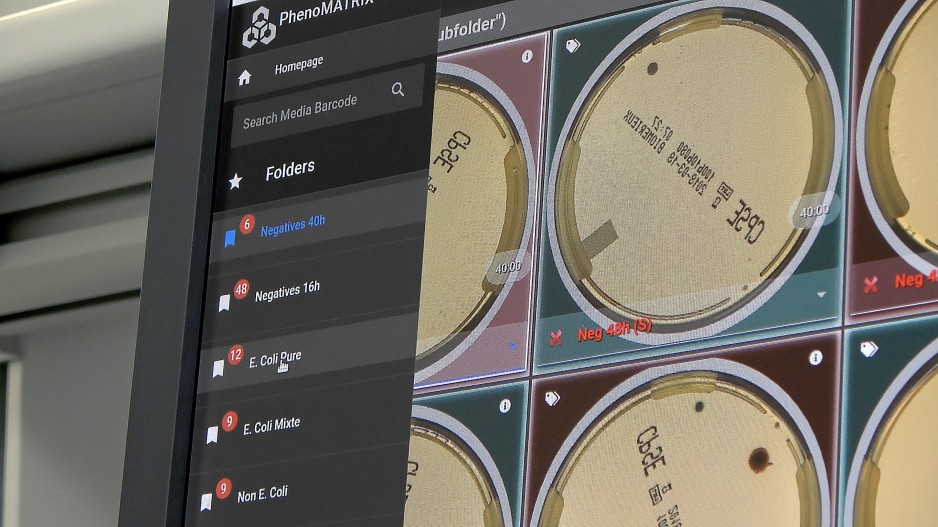
Antimicrobial resistance (AMR) has been recognised as a major global health threat, with bacterial AMR estimated to be associated with more than 4.7 million deaths globally in 2021 [1]. Urinary tract infections (UTIs) are a key focus of antimicrobial stewardship efforts worldwide and represent the second most common reason for antibiotic prescription here in the UK [2]. Because treatment is often started empirically before culture results are available [3], patients may initially receive broad-spectrum antibiotics that are ineffective against the causative organism or unnecessarily broad, increasing antibiotic exposure and contributing to the development of AMR. By identifying the causative organism and its antimicrobial susceptibility earlier, clinicians can review therapy sooner, supporting more targeted prescribing and minimising unnecessary use. As urine culture remains the gold standard method for detecting and characterising urinary pathogens [4], reducing the time taken to produce accurate culture results has become an important focus for clinical microbiology laboratories. One approach is total laboratory automation (TLA), which automates key stages of the workflow, including specimen inoculation and streaking (Copan WASP™), incubation and imaging (Copan WASPLab™), and automated plate reading (PhenoMATRIX™ Software Suite) to deliver faster, more consistent urine culture reporting than conventional manual processing.
How WASPLab™ Improves Urine Culture Turnaround Times
Khalid et al. recently conducted a comparative study between manual urine culture and total laboratory automation with the WASPLab™ system in a high-volume reference laboratory in Saudi Arabia. The study compared median urine culture turnaround time (measured from specimen receipt to final verification) across a full year of manual processing (2023) and a full year following implementation of automated processing (2025) [4]. Through the WASPLab™ system, specimens underwent automated inoculation, streaking, and incubation, with digital images captured at 12 hours and 30 hours, all without operator intervention. They found that implementation of TLA reduced median turnaround time by 15.3 hours in negative cultures and 15.8 hours in positive cultures, with lab productivity also showing a 3.26-fold improvement [4]. Overall, the study demonstrated that integrating WASPLab™ into urine culture workflows improved both the speed and consistency of reporting by standardising key laboratory processes and reducing delays. As a result, the implementation of TLA enhanced laboratory efficiency and enabled more timely clinical decision-making.
The Role of TLA in Supporting Antimicrobial Stewardship
Given the high volume of urine cultures processed daily and the clinical urgency associated with UTI management, TLA represents a promising approach for improving diagnostic efficiency and supporting faster, more reliable results.
Recent research further demonstrates the potential of automation and AI-assisted culture interpretation to accelerate urine culture reporting. A dual-centre study by Davidson et al. evaluated PhenoMATRIX™ (PM) in two Canadian diagnostic laboratories and found that AI-assisted culture assessment enabled earlier availability of interpretable urine culture results. At a high-volume site, Dynacare Laboratories, PM was implemented and they reported a reduction of around 5.3 hours in time taken to report results (TTRR). At the second site, Queen Elizabeth II Health Sciences Centre, they implemented PhenoMATRIX PLUS (PM+), which broadens on PM by allowing automatic release of results without the need for lab personnel involvement. When PM+ was implemented, there was a reduction in TTRR by around 1.3 hours [5]. These findings highlight the importance of combining automated culture assessment with efficient result-release processes to enable earlier identification of the causative organism and its antimicrobial susceptibility profile. As a result, clinicians may be able to make more informed antibiotic decisions sooner, reducing unnecessary antibiotic exposure and supporting targeted prescribing.
While the Davidson et al. study did not directly assess antimicrobial prescribing or patient outcomes, faster and more consistent urine culture reporting has the potential to bring actionable results closer to the point of clinical decision-making, supporting antimicrobial stewardship efforts [5]. Although wider implementation of TLA would require further evaluation across different healthcare settings, these findings highlight its potential role in shaping the future of faster, more standardised diagnostics and supporting global efforts to combat AMR.
As official distributors of Copan, discover how the WASPLab™ and PhenoMATRIX™ can enable faster, standardised, and more efficient workflows in your lab by getting in touch with our team today.

References:
- World Health Organization. Antimicrobial resistance. [Online]. Geneva: World Health Organization; [accessed 31 July 2026]. Available from: https://www.who.int/news-room/fact-sheets/detail/antimicrobial-resistance
- McCowan, C, Bakhshi, A, McConnachie, A, et al. E. coli bacteraemia and antimicrobial resistance following antimicrobial prescribing for urinary tract infection in the community. BMC Infectious Diseases. 2022 Oct;22(805).
- UK Health Security Agency. Understanding the burden of UTI hospitalisations in England. [Online]. London: UK Health Security Agency; [Accessed 31 July 2026]. Available from: https://www.gov.uk/government/publications/understanding-the-burden-of-uti-hospitalisations-in-england/understanding-the-burden-of-uti-hospitalisations-in-england
- Khalid, F, Alzahrani, AJ, Mohammed, H, et al. Impact of Total Laboratory Automation on Urine Culture Turnaround Time: A Comparative Study Between Manual Workflow and WASPLab™. Diagnostics. 2026 April;16(8).
- Davidson, R, Heinstein, C, Patriquin, G, et al. Improving turnaround times with artificial intelligence in microbiology. Journal of Clinical Microbiology. 2026 July.




 England